
WHAT GAS EXCHANGE SYSTEMS MEASURE
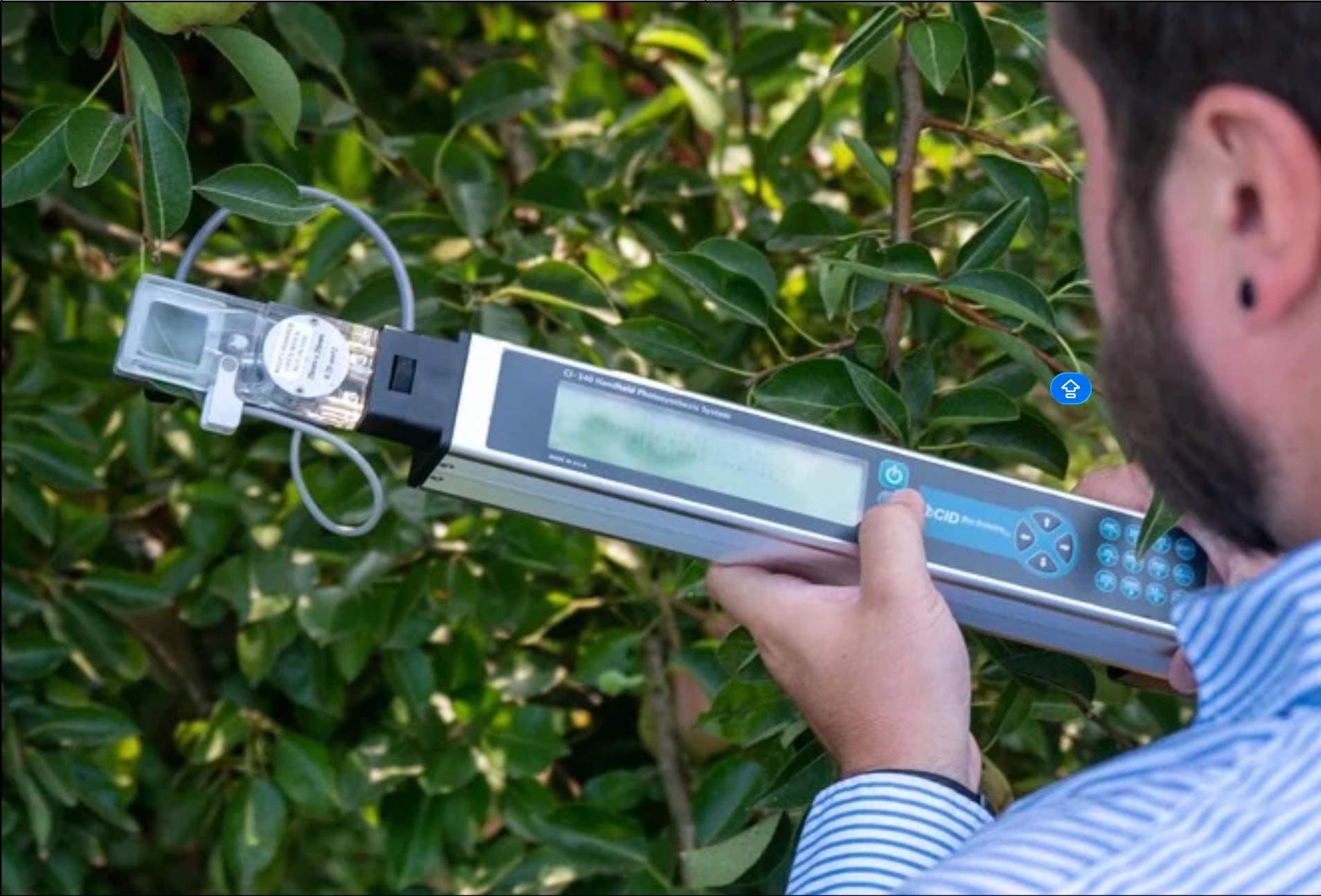
Gas Exchange Systems are used to measure how plants interact with their environment through photosynthesis and related gas exchange processes. By analyzing the movement of gases at the leaf level, these systems help reveal how plants respond to light, temperature, humidity, carbon dioxide availability, and other environmental influences. This makes them valuable for understanding plant function under both controlled and field conditions.
These instruments support direct physiological assessment by helping users evaluate plant activity, photosynthetic performance, and response under varying environmental or experimental setups. In research, they are widely used for plant physiology, crop performance studies, ecophysiology, stress response experiments, and comparative species work. In applied settings, they help connect environmental conditions to actual plant function, providing a stronger basis for interpreting plant performance and productivity.
Photosynthesis Measurement
These systems help evaluate photosynthetic performance directly from the plant, supporting deeper understanding of how plants use light and respond to environmental conditions.
Gas Exchange Analysis
By measuring plant–atmosphere interaction at the leaf level, they support physiological interpretation across different growth, stress, and environmental scenarios.
Controlled and Field Applications
Gas exchange systems can be used in both research environments and practical field studies, helping bridge laboratory-grade measurement with real-world plant monitoring.
Plant Function Insight
These tools support the study of plant activity, physiological response, and performance, making them highly relevant in plant science, ecophysiology, and crop research.
Applications and Use
Photosynthesis Research
Gas exchange systems are widely used in photosynthesis studies where direct measurement of plant physiological activity is needed to understand how plants perform under different conditions.
Plant Physiology and Ecophysiology
They support detailed plant physiological and ecophysiological research by helping users connect environmental variables to actual plant response.
Crop and Species Evaluation
These systems can be used to compare crop performance, plant varieties, or species under different growth conditions, management strategies, or stress treatments.
Stress and Response Studies
Gas exchange analysis helps reveal how plants respond to light, temperature, humidity, and other environmental factors, making these systems valuable for drought, stress, and treatment experiments.
Integrated Plant Monitoring
When used together with chlorophyll fluorometers, light sensors, sap flow meters, soil moisture sensors, and environmental monitoring systems, gas exchange instruments contribute to a more complete understanding of plant performance.
GFS-3000FL
Advanced Gas Exchange System
A dedicated system for detailed gas exchange and photosynthesis measurement in plant research and physiological analysis.

CI-340 Handheld Photosynthesis System
Portable Photosynthesis Measurement
A handheld solution designed for photosynthesis-related field and research applications where portability and direct plant measurement are important.